
Written by Alecia, Founder & Lead Clinical Skin Specialist at The Skin Edition. Reviewed for clinical accuracy using dermatological research from the Journal of Investigative Dermatology.
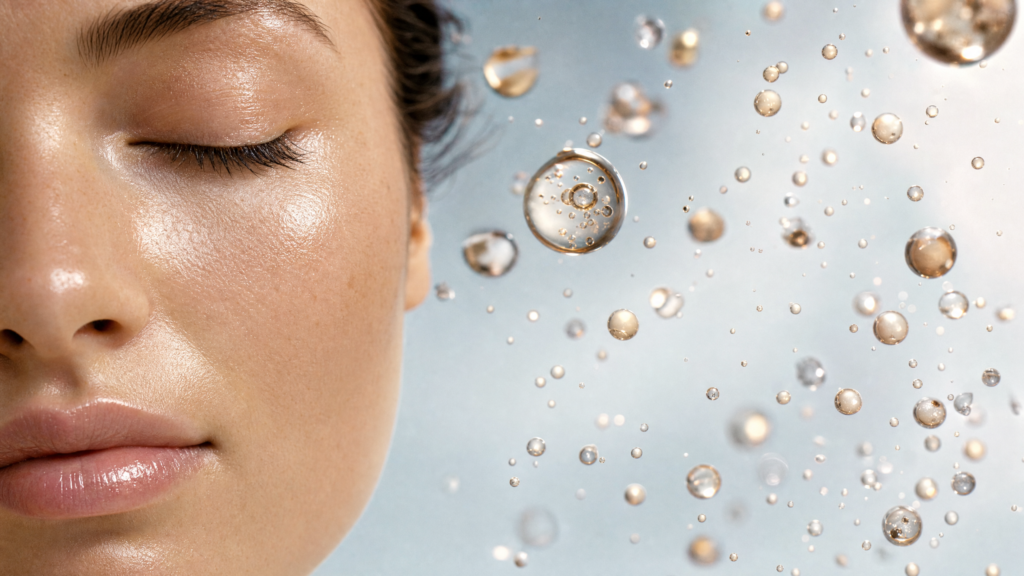
Quick Answer: How to Halt TEWL
To successfully halt trans-epidermal water loss in arid or cold environments, you must trap water in the stratum corneum using a three-tier formulation strategy. First, press multi-molecular humectants into damp skin. Next, replenish intercellular physiological lipids (ceramides, cholesterol, fatty acids) to repair the lipid bilayer. Finally, seal the surface with an occlusive barrier to stop environmental evaporation.
Learning how to halt trans-epidermal water loss is essential when seasonal shifts or indoor heating strip your skin of its vital moisture reserves. Furthermore, when the relative humidity drops below 40%, the ambient air aggressively leaches moisture directly out of your living tissue.
Consequently, your face can feel tight, rough, and irritated within minutes of washing. In addition, applying basic lotions often fails to provide lasting comfort because thin moisturizers simply evaporate into dry air.
Therefore, preventing chronic dehydration requires an intentional understanding of your skin’s outermost shield: the stratum corneum. By repairing the lipid bilayer and sealing microscopic fissures, you can restore a calm, supple glass skin finish even in the harshest environments.
🔬 What Causes Trans-Epidermal Water Loss in Dry Climates?
Trans-Epidermal Water Loss (TEWL) is the passive movement of water from the hydrated dermis through the epidermal layers to the external atmosphere. Under healthy conditions, your barrier regulates this evaporation seamlessly.
However, severe environmental factors disrupt this delicate equilibrium:
The Osmotic Evaporation Cycle
1. Humidity Gradient
Dry indoor radiators create low ambient humidity. As a result, water vapor rapidly migrates from high concentration (your skin) to low concentration (the room).
Cold winds alter lipid fluidity in the stratum corneum. Consequently, intercellular bilayers stiffen and develop micro-cracks.
Without protective hydration, enzymes fail to desquamate dead cells properly. This leads to flaking, irritation, and heightened sensitivity.
When moisture evaporates unchecked, the skin matrix shrinks. As a result, fine lines become pronounced, surface texture turns rough, and the skin barrier develops micro-inflammations.
If your skin has already reached the point of stinging or burning, consult our comprehensive guide to diagnosing and resetting a damaged skin barrier.
🧱 The Stratum Corneum: Bricks and Mortar Architecture
To understand how clinical products prevent water loss, consider the standard dermatological “bricks and mortar” model:
- The Bricks (Corneocytes): Flattened, protein-rich dead skin cells filled with Natural Moisturizing Factors (NMF) such as amino acids, PCA, and urea.
- The Mortar (Intercellular Lipids): An organized lamellar sheet composed of 50% ceramides, 25% cholesterol, and 15% free fatty acids.
Peer-reviewed research published in the Journal of Investigative Dermatology demonstrates that depleting any one of these three primary lipids causes an immediate spike in TEWL.
Specifically, without sufficient ceramides, the lamellar sheets collapse. For an in-depth breakdown of these restorative building blocks, read our comparison on ceramides vs peptides for barrier repair.
🛠️ 4 Steps to Halt Trans-Epidermal Water Loss
Managing dry climates requires a structured formulation strategy rather than heavy, random product layering:
1. Apply Humectants Exclusively to Damp Skin
Humectants like Hyaluronic Acid and Glycerin bind water molecules to the epidermis. However, in low humidity, dry ambient air causes humectants to draw water outward from the deeper dermis instead.
Therefore, always mist your skin with thermal water before applying hydrating serums. This technique locks water into the tissue rather than draining your skin’s internal reservoir.
2. Replenish Physiological Lipids
Surface moisture requires lipid reinforcement to remain trapped in the stratum corneum. Look for bio-identical lipid creams formulated with physiological ratios of ceramides, plant-derived squalane, and fatty acids.
- Clinical Pick: SkinCeuticals Triple Lipid Restore 2:4:2 — Clinically proven to restore essential lipids and accelerate barrier recovery in dry conditions.
3. Seal the Stratum Corneum with Occlusives
Occlusives create a hydrophobic physical barrier across the stratum corneum, mechanically preventing water from evaporating into dry air.
- Restorative Barrier Balm: La Roche-Posay Cicaplast Baume B5+ — Formulated with 5% panthenol and madecassoside to soothe and insulate chapped, dehydrated tissue.
- Daily Mineral Defense: EltaMD UV Clear Broad-Spectrum SPF 46 — Shields delicate lipids from UV degradation without stripping hydration.
4. Mitigate Indoor Moisture Gradients
In addition to topical skincare, place a cool-mist ultrasonic humidifier in your workspace or bedroom. Maintaining indoor humidity between 40% and 55% substantially slows passive water loss while you sleep.
⚖️ Humectants vs. Emollients vs. Occlusives
Understanding how skincare ingredients interact with your barrier helps you layer products effectively:
| Category | Primary Function | Ideal Ingredients | Role in TEWL Prevention |
|---|---|---|---|
| Humectants | Attract and bind water to corneocytes | Glycerin, Hyaluronic Acid, Urea, Panthenol | Hydrates the stratum corneum directly |
| Emollients | Fill micro-fissures between skin cells | Ceramides, Squalane, Jojoba Oil, Fatty Acids | Restores softness and flexibility |
| Occlusives | Form a physical seal over the barrier | Petrolatum, Shea Butter, Dimethicone, Beeswax | Halts evaporative water loss completely |
First-Hand Clinical Insight: In my private studio at The Skin Edition, winter clients often complain that hyaluronic acid serums make their skin feel tighter. This happens because unsealed humectants accelerate evaporation in dry climates. Once we layer humectants under bio-identical lipids, their skin stabilizes within 48 hours.
🚫 Common Habits That Accelerate Water Loss
To protect your skin barrier, eliminate these drying routines immediately:
- Washing with Hot Water: Steaming showers melt away natural sebum and strip cellular lipids. Wash with lukewarm water instead.
- Over-Using Active Acids: Daily chemical exfoliation strips corneocyte cohesion and increases barrier vulnerability. If your skin is peeling, review our guide on purging vs damaged barrier symptoms.
- Aggressive Foaming Cleansers: High-pH sulfate cleansers degrade your protective acid mantle. Instead, choose gentle lipid cleansing milks.
- Neglecting Rosacea Flush Signals: Exposure to severe wind and central heating can trigger neurovascular redness. Read our clinical guide on calming rosacea flare-ups to protect delicate micro-vessels.
For complete evening restorative routines, review our step-by-step at-home evening skincare ritual.
💆 Studio Rituals to Halt Trans-Epidermal Water Loss
While consistent home care shields your skin daily, chronically dehydrated barriers often require deep clinical replenishment.
At The Skin Edition, we treat compromised, parched skin inside our private 1-on-1 home studio:
- For Severe Dehydration & Barrier Repair: Experience The Barrier Restore Edit (75 minutes of soothing cryo-globe therapy, hyperbaric oxygen infusions, and bio-lipid occlusion).
- For Glass Skin Luminosity: Explore The Radiance Edit for intense dermal hydration and cellular plumping.
- For Deep Follicular Congestion: See our clinical protocol on how to clear congested pores without stripping hydration.
- For Advanced Firming: Learn how microneedling stimulates collagen renewal once your barrier is fully restored.
Browse our curated studio retail collection on our online shop to find clinical-grade barrier essentials.
Unsure which treatment matches your skin’s immediate needs? Take our 60-second AI Skin Diagnostic, or reserve your private studio visit here.
Affiliate Disclosure & Medical Disclaimer:
This article contains curated affiliate links. If you choose to purchase through these links, The Skin Edition may receive a small commission at no additional cost to you. We only recommend clinical-grade formulations that align with our skin philosophy.
The content provided on this blog is for informational and educational purposes only and does not constitute medical or dermatological advice, diagnosis, or treatment. Always consult with a qualified physician or board-certified dermatologist regarding any specific skin conditions or healthcare concerns.
